

Mobile apps have become a cornerstone of modern e-commerce. With more customers shopping via smartphones and tablets than ever before, businesses are investing heavily in mobile app development to enhance the user experience, increase conversions, and build brand loyalty. As we move into 2025, the landscape of mobile app development is evolving rapidly, with emerging technologies, innovative user experiences, and AI-driven solutions shaping the future of e-commerce.
In this blog, we explore the top mobile app development trends for e-commerce in 2025, highlighting opportunities for online retailers to stay ahead of the competition while creating apps that are secure, fast, and customer-focused.
Why Mobile App Development Matters for E-commerce in 2025
Mobile commerce, or m-commerce, is expected to account for over 70% of e-commerce sales by 2025. A well-designed mobile app offers several advantages over traditional websites:
- Faster and smoother checkout processes
- Personalized shopping experiences through AI and analytics
- Push notifications to increase customer engagement
- Seamless integration with loyalty programs and social commerce
By staying updated with mobile app development trends, e-commerce businesses can retain customers, increase average order value, and boost overall revenue.
1. AI-Powered Personalization
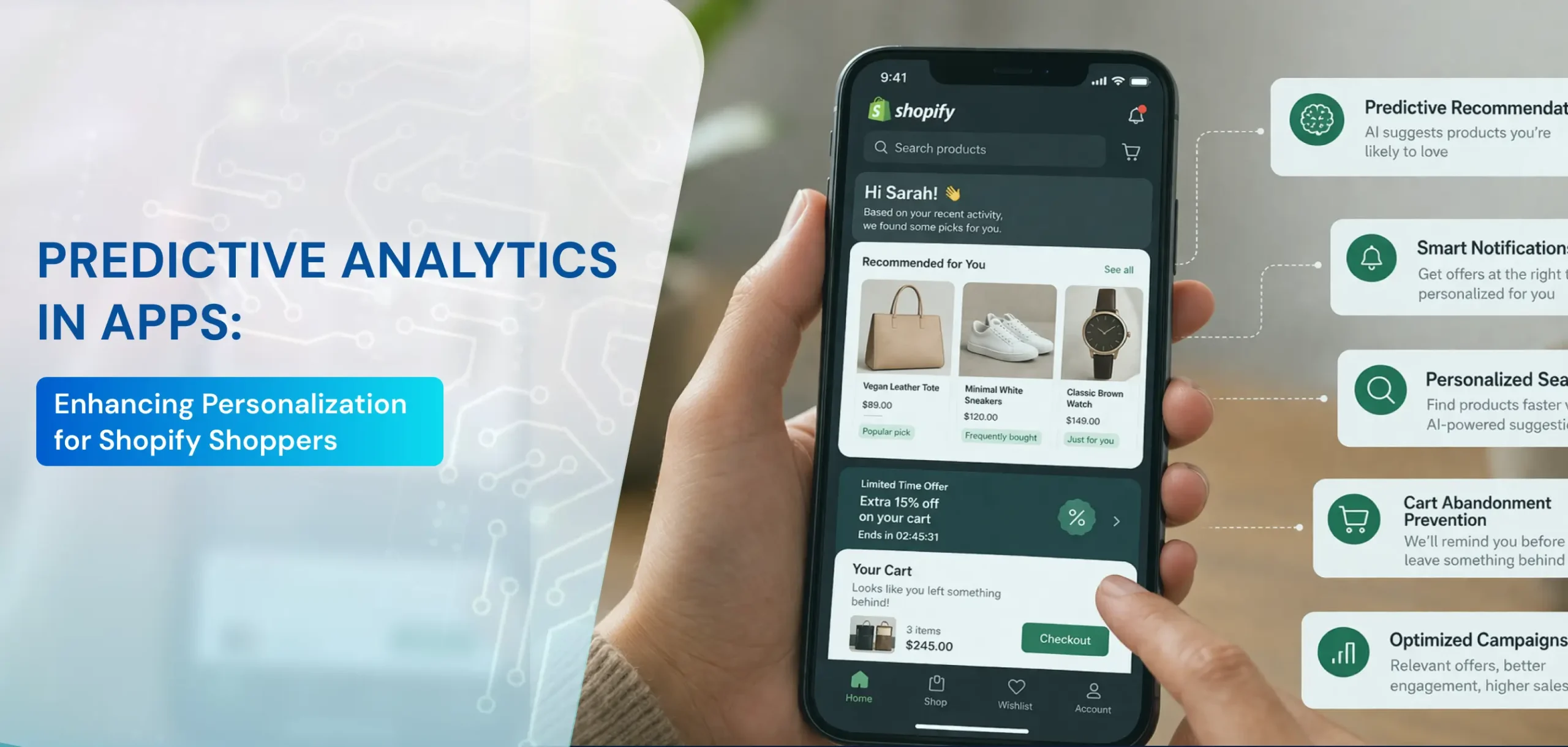
Personalization is no longer optional; it’s expected by modern shoppers. AI and machine learning allow e-commerce apps to provide tailored experiences for every user:
- Product recommendations based on browsing history, purchase patterns, and preferences
- Dynamic pricing and offers for loyal customers
- Chatbots and virtual assistants to guide users through their shopping journey
AI-driven personalization not only improves engagement but also drives conversions and increases customer retention.
2. Progressive Web Apps (PWAs)
Progressive Web Apps combine the best features of websites and native apps. PWAs are lightweight, fast, and installable on mobile devices without app store downloads:
- Quick loading times, even on slow networks
- Push notifications to engage users
- Offline functionality for uninterrupted shopping
- Reduced development costs compared to native apps
For Shopify and other e-commerce platforms, PWAs are becoming a preferred solution to provide a seamless mobile experience.
3. Augmented Reality (AR) Integration
AR is transforming the way customers interact with products online:
- Virtual try-on for apparel, footwear, and accessories
- Visualizing furniture or home decor in the user’s environment
- Interactive product demos to reduce returns
By integrating AR into mobile apps, e-commerce brands can enhance user engagement, reduce purchase hesitation, and improve sales.
4. Voice Commerce and Voice Search
Voice technology is gaining momentum, and mobile apps are increasingly incorporating voice search and voice commands:
- Voice-activated product search for faster navigation
- Hands-free checkout options
- Integration with smart assistants like Alexa or Google Assistant
Voice commerce enhances accessibility and convenience, particularly for busy users, making it a key trend in 2025 mobile app development.
5. Enhanced Security Features
As mobile commerce grows, so do security concerns. Customers expect safe and secure transactions within apps:
- Biometric authentication (fingerprint, facial recognition) for secure login
- Encrypted payment gateways and tokenized transactions
- Real-time fraud detection and monitoring
Ensuring app security is critical to building trust and loyalty in mobile e-commerce.
6. AI and Machine Learning for Analytics
Analytics and machine learning are integral to improving app performance and user engagement:
- Track user behavior to optimize app design and UX
- Predict purchasing patterns to tailor marketing campaigns
- Identify app usage trends for better inventory management
By leveraging AI analytics, e-commerce apps can deliver data-driven experiences that increase customer satisfaction and revenue.
7. Integration with Social Commerce
Social media and mobile commerce are converging, enabling seamless shopping experiences directly within social platforms:
- In-app social media shopping features
- Sharing products via social channels
- Influencer-driven promotions integrated within apps
Social commerce integration increases reach, engagement, and conversions for mobile-first shoppers.
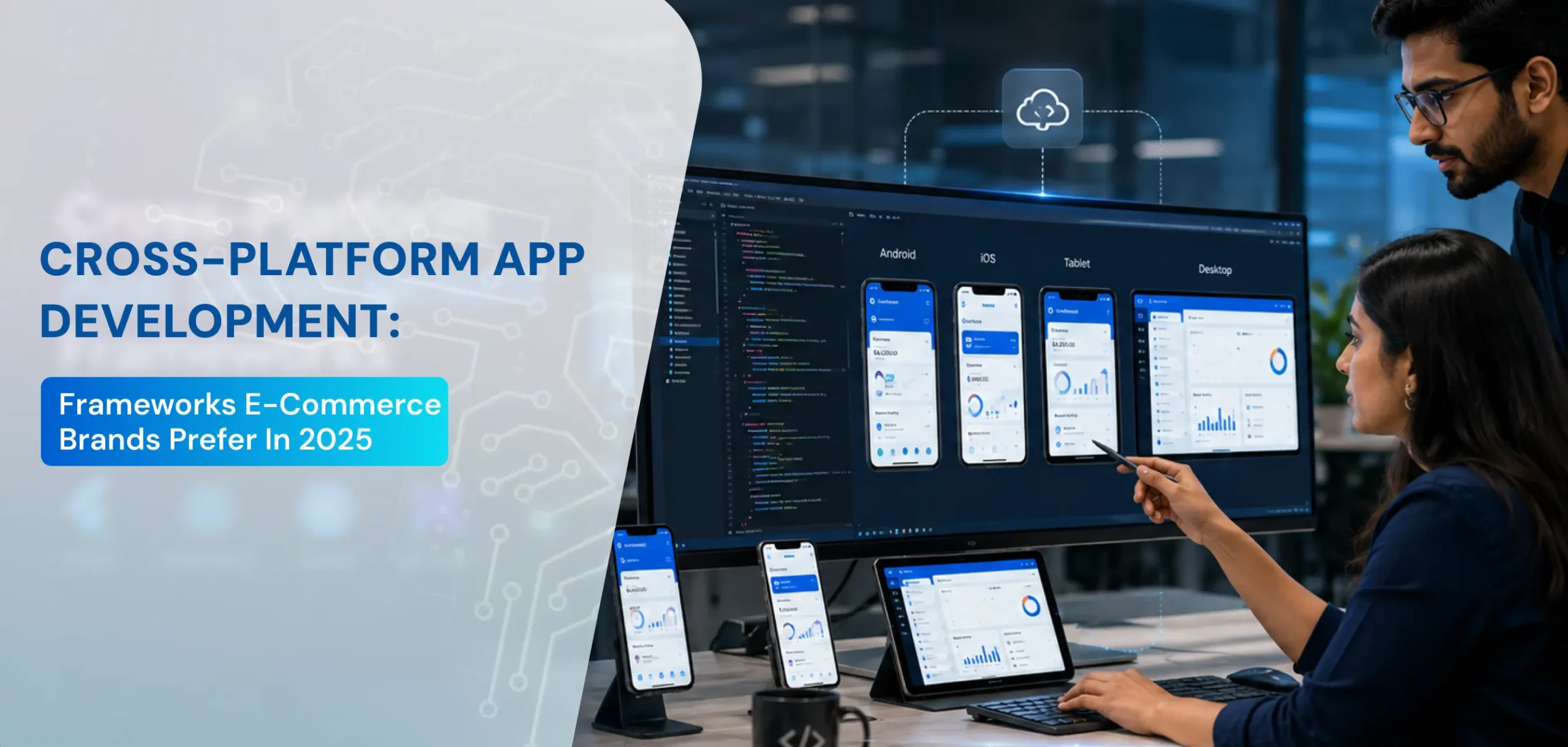
8. Multi-Platform and Cross-Platform Development
Developing mobile apps that work across multiple platforms, iOS, Android, and web, is essential for reaching a wider audience:
- Use frameworks like React Native or Flutter for cross-platform development
- Maintain consistent UX across devices
- Reduce development and maintenance costs
Cross-platform apps ensure a uniform and optimized experience for all users, boosting engagement and sales.
9. Subscription and Loyalty Program Integration
Loyalty programs and subscriptions are key to building long-term relationships with customers:
- Integrate reward points and discounts directly into the app
- Offer subscription boxes or recurring purchases through the app
- Track user engagement and tailor incentives
This enhances customer retention, lifetime value, and brand loyalty.
10. Future-Proof App Architecture
Future-proofing mobile apps ensures they remain scalable and adaptable to emerging trends:
- Modular architecture for easier updates
- Cloud-based infrastructure for reliability and scalability
- Integration with emerging technologies like AR, AI, and blockchain
By designing scalable and flexible apps, e-commerce businesses can adapt to market changes without costly redesigns.
Mobile app development for e-commerce is evolving rapidly, and 2025 promises to be a transformative year. Businesses that embrace trends like AI personalization, Progressive Web Apps, AR, voice commerce, enhanced security, and social commerce integration will stand out in a competitive landscape.
By adopting modern mobile app development practices, e-commerce brands can enhance user experience, increase customer loyalty, and drive revenue growth. For Shopify store owners or online retailers looking to develop or upgrade their mobile apps, partnering with experienced developers ensures apps are fast, secure, and future-ready.
Gradient Eye Technologies specializes in custom mobile app development, Shopify optimization, and AI-driven e-commerce solutions to help businesses leverage these trends and deliver outstanding mobile shopping experiences.